Tyler Robinson files motion to remove prosecutors in Charlie Kirk murder trial
Fox News contributor Donna Rotunno weighs in on efforts by Tyler Robinson's defense team to remove the entire prosecution team from his case and discusses the case against two Florida teens accused of killing a 14-year-old girl.
NEWYou can now listen to Fox News articles!
Prosecutors are urging a judge to deny accused Charlie Kirk assassin Tyler Robinson’s bid to disqualify a prosecutor, arguing there is no conflict of interest.
In a sweeping 33-page filing, submitted under seal earlier this month and now released in redacted form, the state argues the deputy prosecutor at the center of Robinson’s motion has no personal conflict despite the fact that his 18-year-old child was in the crowd when Kirk was assassinated at a Turning Point USA event at Utah Valley University on Sept. 10, 2025.
Prosecutors say the teen, a student at UVU, was one of "thousands of other witnesses" and had no personal knowledge of the actual murder, never saw the shooting, and never saw a weapon.
The filing includes text messages exchanged between the prosecutor and his teenager in the minutes after the shooting, which prosecutors argue underscore that lack of firsthand knowledge.
ERIKA KIRK HAS ‘NOTHING TO SAY’ TO THE MAN ACCUSED OF KILLING HER HUSBAND
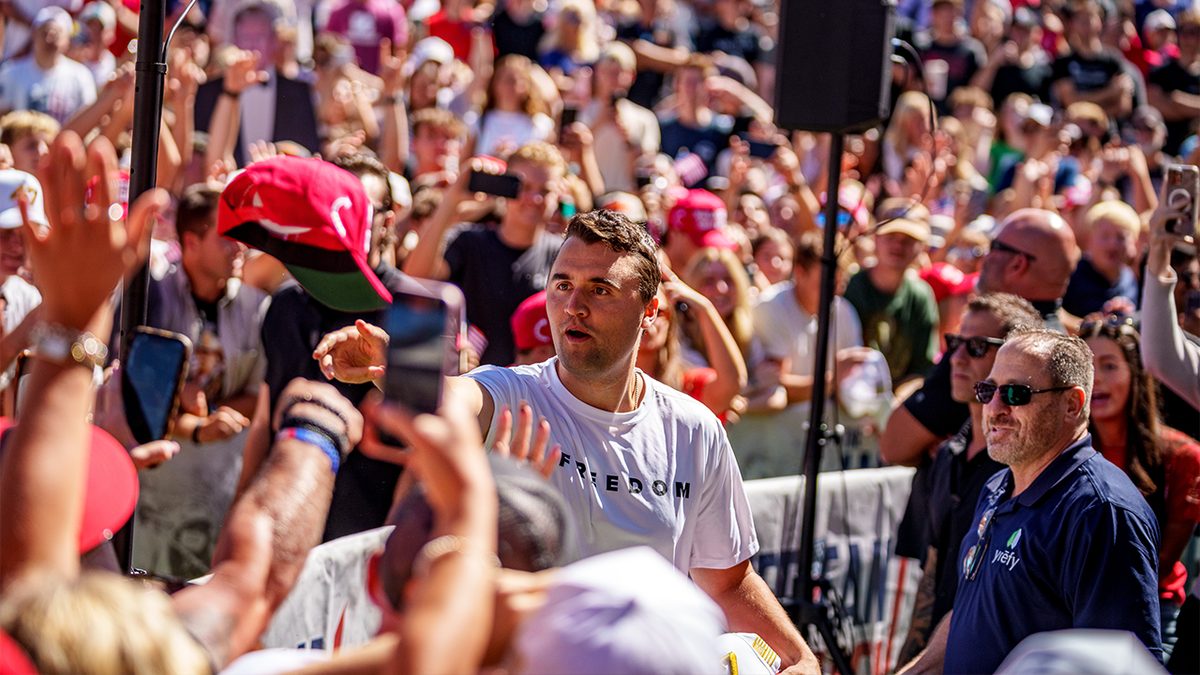
Charlie Kirk appears at Utah Valley University Sept. 10, 2025 in Orem, Utah. Kirk, founder of Turning Point USA, was speaking at his "American Comeback Tour" when he was shot in the neck and killed. (Trent Nelson/The Salt Lake Tribune/Getty Images)
In the messages, the teen initially texts, "SOMEONE GOT SHOT," and reassures family members, "I’m okay, everyone is going inside." Only later, after hearing information from others, does the teenager text, "CHARLIE GOT SHOT," followed by messages relaying what "people were saying" about where Kirk was hit and where the shooter may have been positioned.
Prosecutors argue the texts reflect confusion and secondhand information — not emotional trauma or direct involvement that could improperly influence prosecutorial decision-making.
 【微信950216】东升公司负责人怎么联系